Teenager is 10th Person to Die in Water During Heatwave
- A teenage boy has tragically become the 10th person to die in water-related incidents amid a recent heatwave.
- The Royal Life Saving Society warns parents and children about the dangers of swimming in cold water.
- Temperatures soared across the UK, reaching unprecedented highs, leading to increased risks for swimmers.
Tragic Loss Amid Heatwave
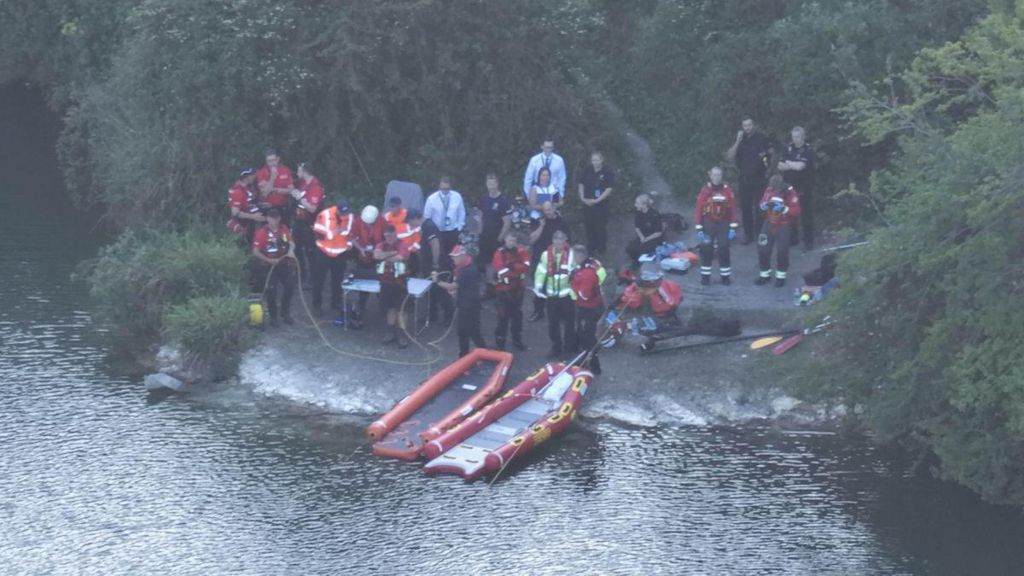
The recent heatwave sweeping across the UK has claimed yet another life, this time that of a teenage boy whose body was recovered from a pond in Kent. This heartbreaking incident marks the 10th drowning linked to the rising temperatures, raising urgent alarms about safety in and around water during sweltering weather. Emergency services acted swiftly after receiving reports of a swimmer in distress in the Galley Hill Road area of Swanscombe just before 3 PM BST on Wednesday. According to Kent Police, preliminary investigations have ruled out foul play, and a report will be sent to the coroner for further examination.
The spate of water-related fatalities extends across multiple regions, affecting young individuals in Lincoln, Halifax, Rotherham, and more, along with adult victims in Cornwall and Wales. As communities mourn their losses, tributes continue to pour in for those identified, highlighting the profound impact of these incidents on families and neighborhoods. The Royal Life Saving Society (RLSS) has stepped forward to issue warnings regarding the increased risks associated with swimming during warmer weather. Their message underscores a crucial point: warmer air temperatures do not mean warmer water conditions.
Understanding the Risks of Cold Water Drowning
The RLSS has expressed particular concern over what they term “cold water shock,” a physiological response that occurs when the body unexpectedly enters frigid waters. Despite soaring air temperatures, many bodies of water remain perilously cold, which can lead to panic and difficulty swimming. The Royal National Lifeboat Institution (RNLI) defines water below 15C as “cold,” and regularly, the seawater and rivers in the UK can dip even lower, posing serious risks to unsuspecting swimmers.
As recent statistics show, the summer months often see a spike in drownings, primarily among young individuals who may underestimate the dangers associated with swimming in lakes, rivers, or artificial bodies of water. It is crucial to recognize these risks and ensure adequate safety measures are in place. The unfortunate demise of the teenage boy from Kent is yet another reminder of the importance of vigilance and informed behavior in recreational water activities.
Implications and Solutions Going Forward
In light of these tragic events, community organizations like Neighbourhood Watch Swanscombe have rallied to encourage parents to engage in conversations with their children about water safety. They emphasize the need for guidelines to be shared both at home and in community settings, particularly during heatwaves when more people are likely to venture into the water. The organization has thanked volunteers who assisted traffic management as emergency crews responded to the recent incident, showcasing a community united in grief and support.
Looking ahead, it is essential to implement comprehensive educational campaigns, particularly during the summer months, to equip families with knowledge about water hazards, signs of cold water shock, and safe swimming practices. By emphasizing these preventative measures, communities can strive to protect lives and foster safe recreational environments.
In summary, the heatwave has led to an alarming increase in drownings, highlighting the urgent need for increased awareness of the dangers associated with swimming in cold water. How can we better educate communities about water safety? What measures can local authorities implement to prevent further tragedies in the future? How can families encourage responsible behavior when it comes to water activities?
Editorial content by Dakota Sullivan