Highlights:
– An impending leadership challenge looms for Sir Keir Starmer as pressure mounts following a significant by-election loss.
– Andy Burnham emerges as a strong contender for leadership, generating discussions about potential successors in the Labour Party.
– As the party contemplates the future, timing and potential appointments under Burnham’s leadership stir debates among MPs.
Shifting Tides in Labour Leadership
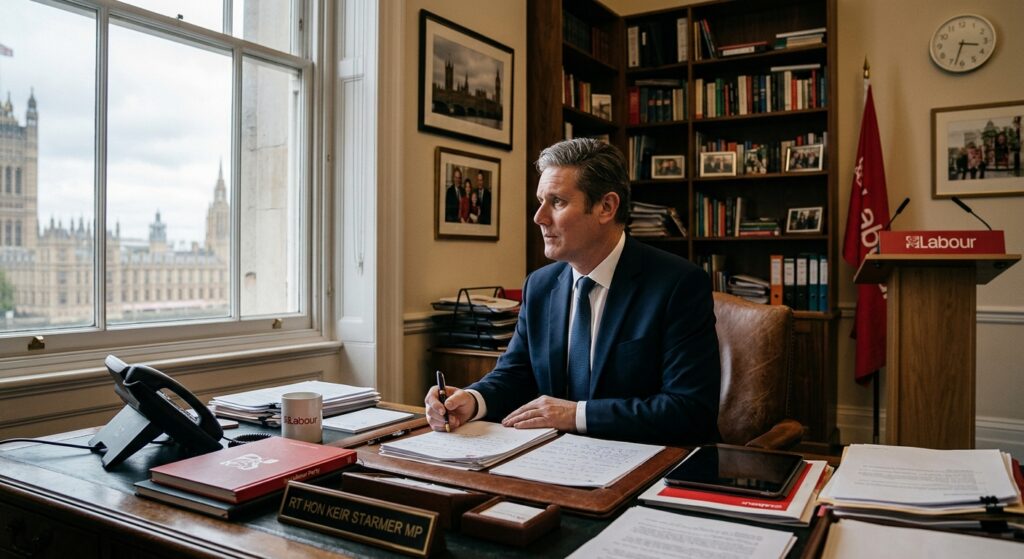
Amidst a backdrop of growing dissatisfaction within the Labour Party, the political atmosphere has taken a sharp turn. Recent events have led government insiders to speculate that Prime Minister Sir Keir Starmer may announce his resignation as soon as Monday. With various members of the party publicly expressing their concerns about his leadership capabilities, the pressure has intensified, pointing towards a potential leadership transition that could reshape the political landscape.
This situation has far-reaching implications, not only for Labour but also for the wider nation. Political dynamics have shifted significantly, raising questions about who might step in to lead the party and how that will affect their strategy moving forward. The storm brewing within the party stems from growing discontent about Starmer’s popularity, with several Labour MPs believing that his leadership style is holding back the party’s potential.
Burnham: The Rising Star in Contention
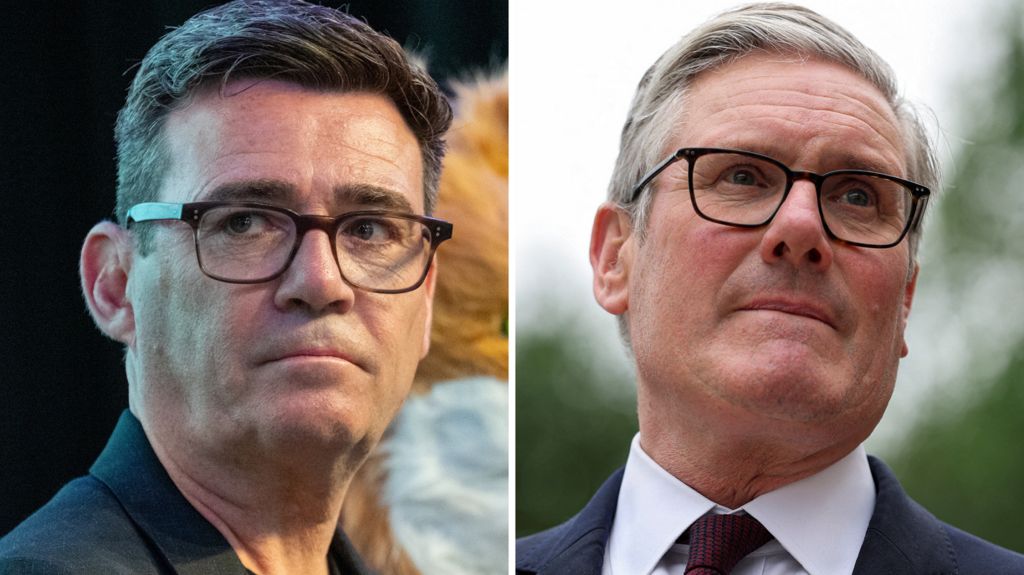
The fallout from the recent Makerfield by-election appears to be a pivotal moment, marking a turning point for Labour. Andy Burnham’s decisive victory over Reform has not only positioned him as a frontrunner to succeed Starmer but has also fueled conversations about the potential need for urgent reforms within the party. As MPs increasingly voice the need for a change in leadership, it has become clear that Burnham, with his track record, embodies the kind of revitalization many believe is necessary for Labour’s future success.
With pressure mounting for Starmer to step down, there are questions about whether a leadership contest would emerge should he choose to resign. Wes Streeting, a former health secretary, has already hinted that he would throw his hat into the ring. However, rumors suggest that he and other contenders may benefit from discussing potential collaborations to ensure a unified front should the leadership contest materialize.
Future Directions: What Lies Ahead for Labour?
As the party contemplates its next steps, crucial questions about leadership dynamics and policy direction are emerging. Should Burnham assume the prime ministership, there is speculation regarding his choice of chancellor, a decision that could greatly impact the party’s ideological direction. The anticipation surrounding Ed Miliband’s potential appointment is causing unrest among party members who fear it may signal a shift to the left, creating a rift within Labour.
Moments of reflection will be critical for the Labour Party over the upcoming days. As Burnham and his team remain largely out of the public eye, opting to give Starmer time to ponder his position, the future of the party hangs in the balance. A swift transition could breathe new life into Labour, but timing and effective communication will be essential to avoid political stagnation.
In conclusion, the Labour Party stands at a crossroads, with significant changes potentially on the horizon. As speculation abounds regarding leadership transitions and future policy directions, one must ponder: How might this impact Labour’s electoral chances? Can the party unify under a new leader, or will internal divisions facilitate further obstacles? What strategies should the incoming leadership adopt to resonate with voters and restore confidence in the party’s direction?
Editorial content by Peyton Hawthorne