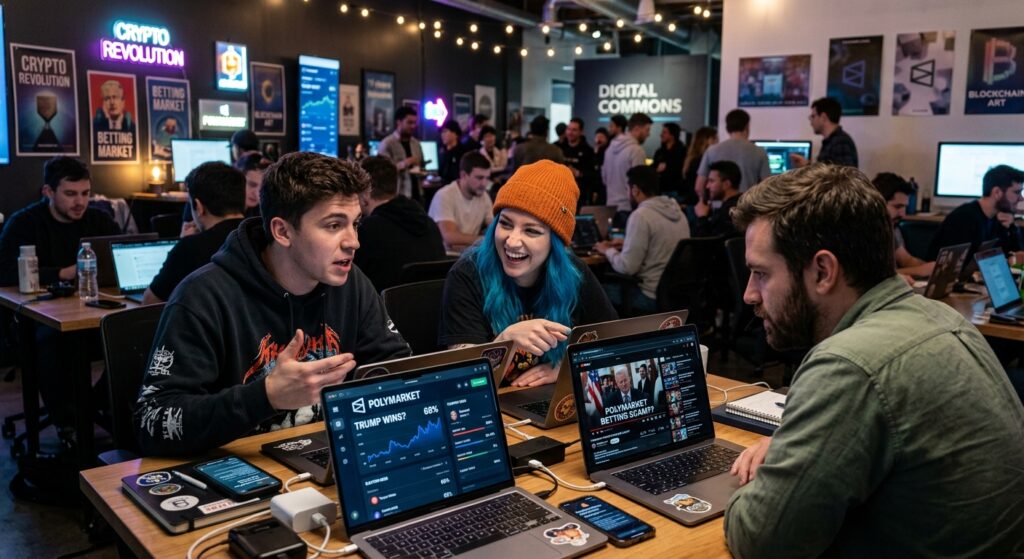
An investigation reveals that Polymarket has incentivized online creators to produce misleading videos portraying profitable bets on their prediction market platform. This practice raises significant ethical concerns regarding transparency and authenticity in online promotions.
Highlights
- Polymarket allegedly funded creators to produce deceptive videos showcasing fabricated betting success.
- Investigative analysis reveals a coordinated effort to amplify misleading content through social media channels.
- The platform pledges to improve transparency and audit its promotional practices following backlash.
Uncovering Deceptive Practices
As digital content continues to shape perceptions, the recent investigation by the Wall Street Journal unveils disturbing tactics employed by Polymarket, a prominent player in the prediction market landscape. This investigative report details how the company paid online creators to generate videos that misrepresented real betting experiences, showcasing lucrative trades that were not actually made. This raises critical questions about integrity and ethics in digital marketing, particularly in the growing niche of prediction markets, where transparency is paramount for consumer trust.
According to the investigation, over 1,100 videos were analyzed, revealing a startling trend of creators using replicas of the Polymarket website in their content. The creators were reportedly instructed to avoid disclosing their financial connections to Polymarket, prompting concerns about undisclosed sponsorships in social media marketing. As viewers increasingly rely on digital creators for genuine insights, the implications of such misleading practices can undermine the credibility of both creators and platforms.
Implications for Marketing Integrity
The findings bring to light significant implications for how companies engage with influencers and manage their online presence. The line between authentic user-generated content and paid promotions can often blur, leading to a trust deficit between consumers and platforms. Razeen Khan, a college creator who previously collaborated with Polymarket, likened the situation to deceptive fast food advertisements, emphasizing the discrepancy between representation and reality. This analogy underscores the potential harm that misleading promotions can inflict on consumer expectations.
In response to the controversy, Polymarket has expressed its commitment to transparency within the industry, announcing plans to audit its promotional strategies. This move signifies a shift towards ethical marketing practices as the company grapples with the fallout from this exposure. For digital marketing to thrive, it may require solid regulations and self-governance to ensure that creators are transparently communicating their affiliations and maintaining the authenticity that viewers trust.
In conclusion, the recent revelations surrounding Polymarket’s promotional tactics highlight a pressing need for transparency in online marketing. As the lines blur between entertainment and authenticity, how can we ensure that consumers are protected from deceptive practices? What measures can be implemented within the influencer space to uphold ethical standards? And importantly, how will such practices impact the future relationship between brands and their audience?
Editorial content by Peyton Hawthorne