Highlights:
– Olivia Wilde addresses health rumors sparked by a viral photo.
– The actress finds humor in the exaggerated claims surrounding her appearance.
– Wilde emphasizes the impact of social media on public perception and personal well-being.
Introduction: Navigating Celebrity Scrutiny
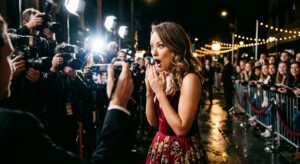
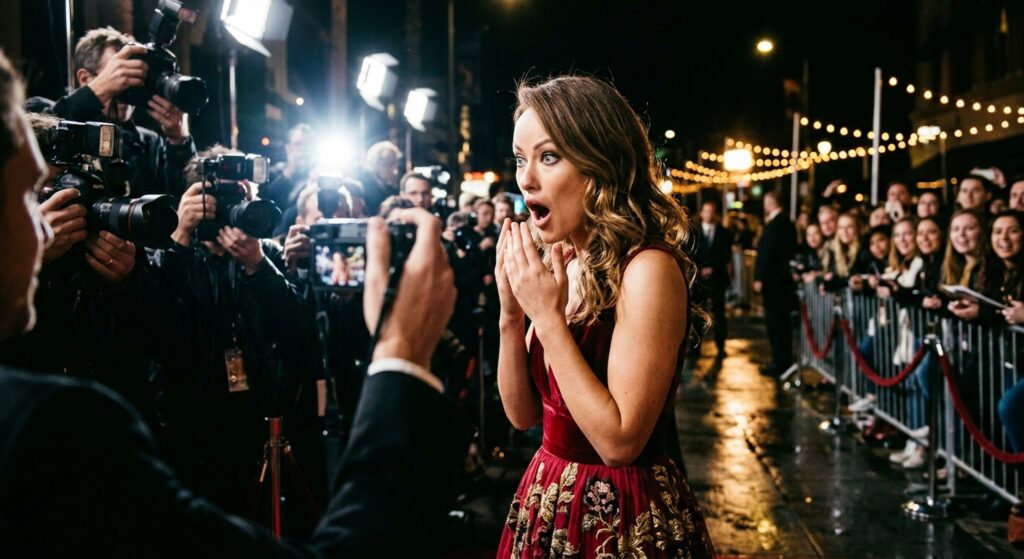
In an age where social media can amplify moments in an instant, celebrities often find themselves under ruthless scrutiny. Recently, Olivia Wilde faced a wave of speculation about her health after a photograph from the San Francisco International Film Festival circulated widely. The image prompted users online to make alarming comments, with some going as far as to suggest that she appeared “like an actual dead body.” This incident highlights the precarious balance public figures must navigate as they balance their personal lives with public perception.
Wilde, a prominent actress and director known for her roles and film endeavors, was taken aback by the rapid spread of misinformation. She recounted the experience as surreal and humorous, reflecting on the absurdity of how a single photo could prompt such extreme diagnoses. The episode serves as a reminder of the ways in which public images can be misconstrued and the potential emotional toll on individuals in the spotlight.
Unpacking the Health Rumors
During a recent episode of “Call Her Daddy,” Wilde discussed her reaction to the viral photo, expressing disbelief at its reach and the sudden frenzy it inspired. “We did the [red carpet], and then I saw that picture and I was like, ‘Alright, but it probably won’t go very far. No one’s going to see this,’” she noted, revealing her initial assumption that the image would fade into oblivion. Instead, it became a topic of intense discussion, with rumors suggesting serious health issues, such as Graves’ disease, an autoimmune condition that may cause noticeable weight loss.
Wilde described her reaction to the online chatter as both amusing and unsettling. Despite the varied diagnoses and concerns shared by social media users, she reassured her followers that the image merely captured her from an unfortunate angle. The entire episode showcases the potentially humorous yet volatile nature of celebrity culture, where an innocent moment can lead to widespread speculation and misunderstanding.
The Broader Implications of Misinformation
This incident raises important questions about the social media landscape and its effect on mental health. For celebrities like Wilde, having their images scrutinized can exacerbate feelings of vulnerability and anxiety. The spread of misinformation not only impacts public perception but can also take a toll on the individuals involved, prompting a reflection on how society engages with celebrity narratives.
Moving forward, it is crucial for discussions around public figures to evolve, emphasizing empathy and understanding rather than sensationalism. While Wilde found this particular incident amusing, many others may not navigate such scrutiny with the same lightheartedness. As consumers of media, it is our responsibility to consider the realities behind the images and narratives we engage with, fostering a more compassionate dialog around public figures.
In conclusion, Olivia Wilde’s experience underscores the potential dangers of social media speculation and the importance of responsible commentary on public figures. How can we work towards a healthier consumption of celebrity culture? What measures can platforms take to mitigate harmful misinformation? And how can the media balance engagement with ethical reporting in the age of instant communication?
Editorial content by Peyton Hawthorne