Subletting Controversy: Andrew Mountbatten-Windsor’s Rental Practices Revealed
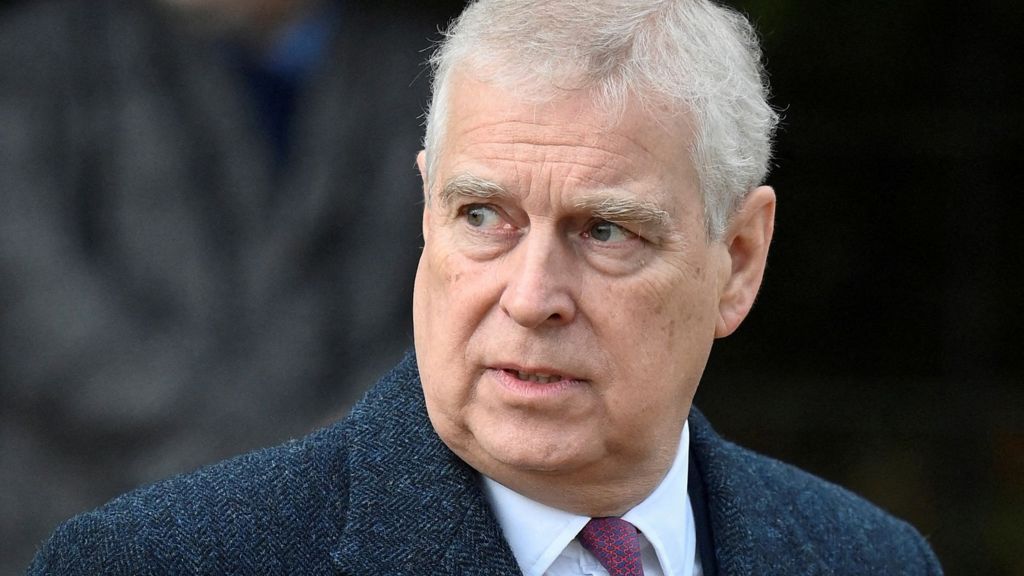
- Andrew Mountbatten-Windsor collected undisclosed rental income from sub-letting cottages on the Royal Lodge estate.
- Princesses Eugenie and Beatrice, although non-working royals, have their accommodation costs covered by the monarchy.
- The National Audit Office’s report may spark future scrutiny of royal residence arrangements and taxpayer funding.
Introduction: A Royal Controversy Unfolds
The National Audit Office (NAO) has unveiled some revealing insights into the housing arrangements of Andrew Mountbatten-Windsor, exposing practices that have raised eyebrows concerning public subsidy and accountability. The findings indicate that Mountbatten-Windsor has been sub-letting three cottages on the Royal Lodge estate, properties that he leased from the Crown Estate. This comes amidst growing calls for greater transparency in how royal residences are managed and funded.
The significance of this report cannot be understated, as it marks the first comprehensive assessment of royal residences in two decades. With such arrangements now under scrutiny, questions about the fairness of taxpayer support for non-working royals are being intensified. The optics of the situation become even more controversial considering the current struggles faced by many individuals trying to secure affordable housing in the UK.
Exploring the Core of the Issue
According to the NAO report, Andrew Mountbatten-Windsor, who does not have to pay rent due to a significant investment he made in property repairs, is allowed to sub-let certain cottages within his estate. However, the report does not disclose how much rental income he has generated, only noting that the arrangements were reportedly designed to cover running costs. In a society increasingly wary of privilege, this arrangement is likely to provoke discomfort and feelings of inequity among the public.
Furthermore, Princesses Eugenie and Beatrice enjoy rent-free accommodations in prestigious locations like Kensington and St James’s Palaces, a privilege funded by the monarch’s personal finances. Critics like former Home Office minister Norman Baker have voiced outrage over the idea that the taxpayer is subsidizing the comfortable lifestyles of non-working royals. While a Palace source has claimed that the arrangement covers the public expenditure on these properties, many skeptics remain unconvinced, fearing that such financial support may approach a line of entitlement that is no longer acceptable to the public.
Implications and A Path Forward
The implications of the NAO’s findings extend beyond the Mountbatten-Windsor family; they touch on broader issues of accountability and the propriety of public funds being used to support luxury lifestyles. Critics argue that with many people struggling to secure housing, non-working royals benefiting from subsidized accommodations sends a troubling message about social equity and accountability. The potential for future backlash from younger generations struggling with housing expenses could further erode the trust in royal finances.
As the inquiry by the public accounts committee looms, it’s clear that the monarchy must navigate this tension carefully. Potential solutions may involve a reassessment of how royal residences are funded, possibly moving towards more stringent regulations or transparency measures concerning public subsidies. The Crown Estate has stated that all leases are structured according to professional advice, but the continued scrutiny may necessitate reforms that uphold transparency and accountability to ensure royal financing aligns with public sentiment.
In conclusion, the NAO report on Andrew Mountbatten-Windsor’s rental practices sheds light on troubling aspects of royal residency that many believe should be subjected to more thorough investigation. As the monarchy faces increasing scrutiny, one must ask: How can royal finances be managed in a way that maintains public support? Will the findings of the NAO lead to substantial reforms in royal property arrangements? And what implications might these changes have on the future relationships between the monarchy and the public?
Editorial content by Reagan Chase