Highlights
- OpenAI’s new hardware, Micro, serves as a specialized keypad for ChatGPT users, enhancing productivity through customizable functions.
- The introduction of Micro coincides with legal challenges, including a lawsuit from Apple, adding layers of complexity to OpenAI’s hardware ambitions.
- User feedback is mixed, with some praising the device’s potential while others criticize its practicality and high price tag.
Introducing OpenAI’s Micro Keypad
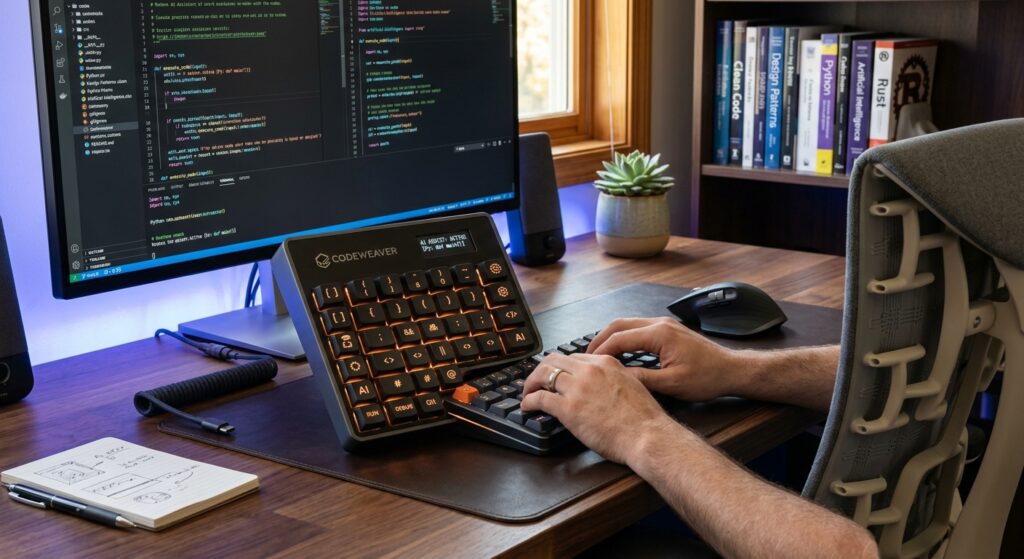
OpenAI, the prominent player in artificial intelligence, has recently ventured into the hardware market with the launch of its first device, the Micro keypad. This innovative product, developed in collaboration with boutique keyboard designer Work Louder, is designed to enhance interaction with ChatGPT and its coding tool, Codex. While the device appeals to tech enthusiasts and professional programmers, it aligns with OpenAI’s goal of facilitating deeper engagement with its AI technology, marking a significant milestone in the company’s expansion beyond software.
The introduction of a hardware product signifies a major step for OpenAI, which has predominantly operated in the software domain. However, this launch has not been without its challenges. The company is currently involved in a legal dispute with Apple, which has accused OpenAI of trade secrets theft, stirring concerns about its future in hardware. In this competitive landscape, the Micro keypad serves as a provocative entry into the growing market for AI-enhanced tools, but its success hinges on its acceptance among users.
Exploring the Features and Feedback on Micro
The Micro keypad boasts a sleek design that emphasizes both functionality and aesthetics. It features six customizable “agent” keys along with command keys that facilitate various tasks within ChatGPT and Codex. Users can connect the device via Bluetooth or USB, adding versatility to its operation. A standout feature of Micro is its dictation button, allowing users to issue voice commands seamlessly, promising to enhance workflow efficiency for those frequently engaged with AI tasks.
Despite these appealing features, the reception of Micro has been decidedly mixed. Feedback from hardcore coders has ranged from skepticism to outright disdain, with some users dubbing it “a prank” and suggesting that serious programmers would be unlikely to adopt it. Critics have noted that the $230 price tag makes it hard to justify when compared to cheaper alternatives available in the market. Yet, there are indications that for dedicated ChatGPT users, the Micro might enrich their interaction with AI, granting them a more dynamic way to manage their projects.
Implications of Micro’s Launch
The launch of the Micro keypad represents more than just a new product; it poses questions about the future of user interaction with artificial intelligence. As OpenAI faces legal hurdles and critiques regarding the practical value of Micro, the outcomes of these challenges could redefine the company’s trajectory in the hardware space. The reception of Micro could also influence whether OpenAI continues to diversify its offerings, potentially developing more advanced hardware solutions to accompany its software prowess.
Reflecting on the experience of using Micro, it becomes clear that its real value may depend on an individual’s regularity with ChatGPT. For those integrating AI into their daily tasks, Micro may indeed facilitate a more streamlined workflow. Conversely, for casual users, the learning curve and investment required might outweigh its benefits. As technology continues to evolve, it remains to be seen how OpenAI will adapt to user feedback and the competitive landscape.
In conclusion, while the Micro keypad introduces innovative features designed to streamline AI interactions, it faces challenges in user acceptance and pricing. As AI continues to entwine with productivity tools, how will users adjust their habits to incorporate specialized hardware? Will OpenAI adapt its product line based on this feedback, or will it continue to pursue a niche within the tech community? And finally, how pivotal will legal outcomes shape OpenAI’s future ventures in hardware?
Editorial content by Dakota Sullivan