Highlights:
– Guy Fieri faced backlash after a brief encounter with influencers Andrew and Tristan Tate at a UFC event.
– In a social media post, Fieri expressed his surprise and denied any prior knowledge or connection with the controversial siblings.
– Fieri’s clarification reflects a growing concern among public figures regarding their associations and the narratives that unfold around them.
Introduction: Context of Celebrity Associations
In the world of celebrity culture, associations with other public figures can often lead to significant scrutiny. This was recently highlighted during an encounter involving renowned Food Network star Guy Fieri and the controversially polarizing Tate brothers, Andrew and Tristan, at UFC 327 in Miami. The significance of this meeting extends far beyond a mere handshake; it taps into the complexities of public perception and the often volatile nature of celebrity reputations.
As fans and observers constantly scrutinize public figures’ choices and affiliations, Fieri’s situation serves as a reminder of how quickly an innocent interaction can spark controversy. With the rise of social media, even fleeting encounters are fodder for public judgment, shaping the narrative around a celebrity’s image. This unfolding situation showcases not only the power of social media but also how one moment can lead to lasting repercussions for a public figure’s reputation.
The Encounter: What Happened at UFC 327
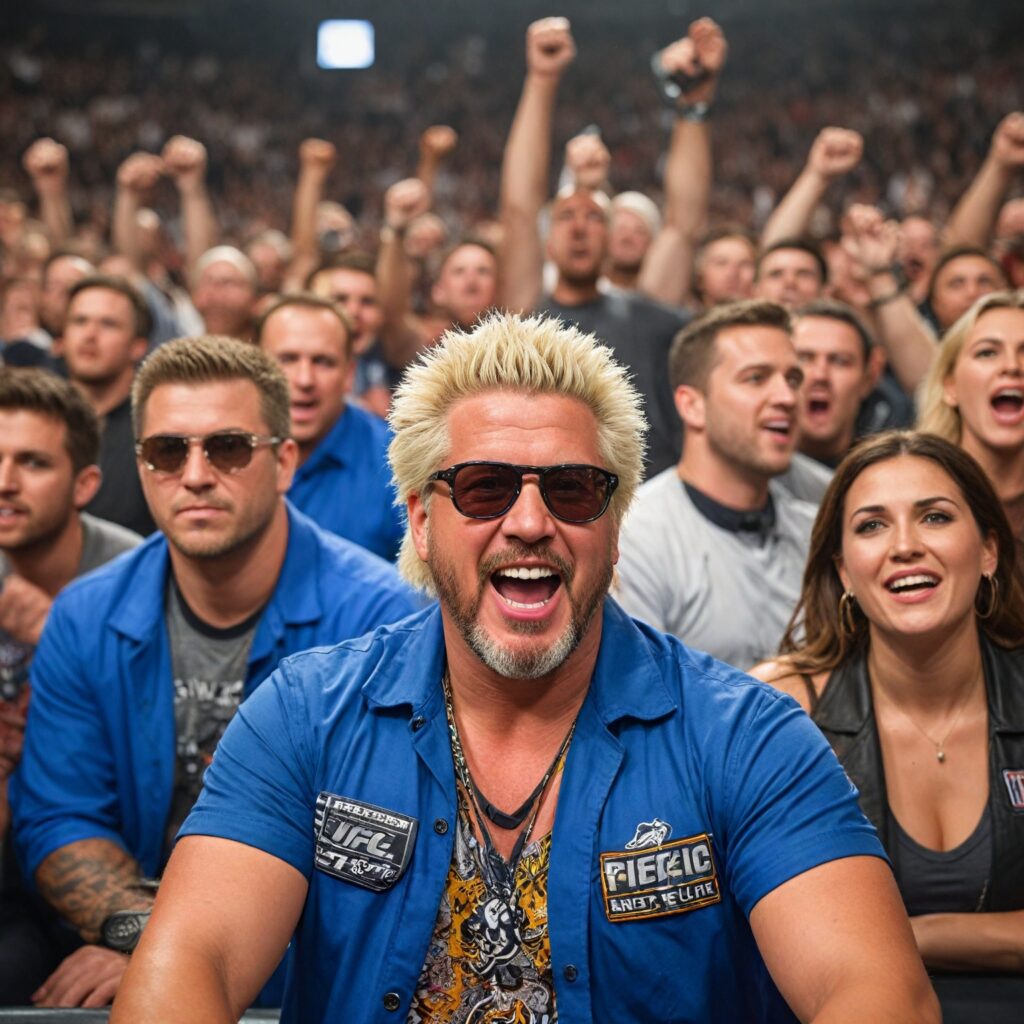
During the UFC 327 event, Fieri’s interaction with the Tate brothers was captured on video and quickly spread across social media platforms. The clip depicts the famed host of “Diners, Drive-Ins and Dives” warmly shaking hands and exchanging embraces with the brothers known for their controversial statements and actions. This seemingly benign visit to witness a sporting event swiftly ignited backlash among Fieri’s fanbase, prompting many to question his associations.
In response to the criticism, Fieri took to social media in an effort to quell the tumult, stating, “I’m devastated,” emphasizing that he had no prior knowledge of the Tates before their brief exchange. He reiterated that he was simply attending the event to enjoy the fights. This reaction reflects the sensitivity that comes with being in the public eye, where personal and professional associations can be misconstrued and amplified in ways that can quickly damage reputations.
Implications: Navigating Celebrity Reputations
The fallout from this incident raises significant questions regarding the weight of celebrity associations in the digital age. With the public’s heightened awareness of influencers’ actions, even the most innocuous moments can lead to unforeseen consequences. Fieri’s response displays an understanding of the importance of maintaining a clear image and protecting his brand from potential fallout from others’ controversies.
Conversely, this incident highlights a broader societal issue—how public figures navigate the intricate relationships of fame during times of social change. The challenge appears to lie in balancing personal interactions against the backdrop of public scrutiny. In an era where every move can be amplified across social media, it is crucial for celebrities to be proactive in defining their narratives and safeguarding their reputations.
Conclusion:
Guy Fieri’s unexpected encounter with the Tate brothers illustrates the precarious reality of celebrity associations in today’s fast-paced media environment. As public figures scramble to maintain their images amidst criticism, one must wonder: How can celebrities effectively manage their public relationships without sacrificing authenticity? Are there effective strategies to navigate such complex social landscapes while preserving their personal and professional integrity? These questions lie at the heart of an ongoing discussion about fame and public perception in the contemporary world.
Editorial content by Reagan Chase