Tragic Hantavirus Outbreak Claims Lives on Atlantic Cruise Ship
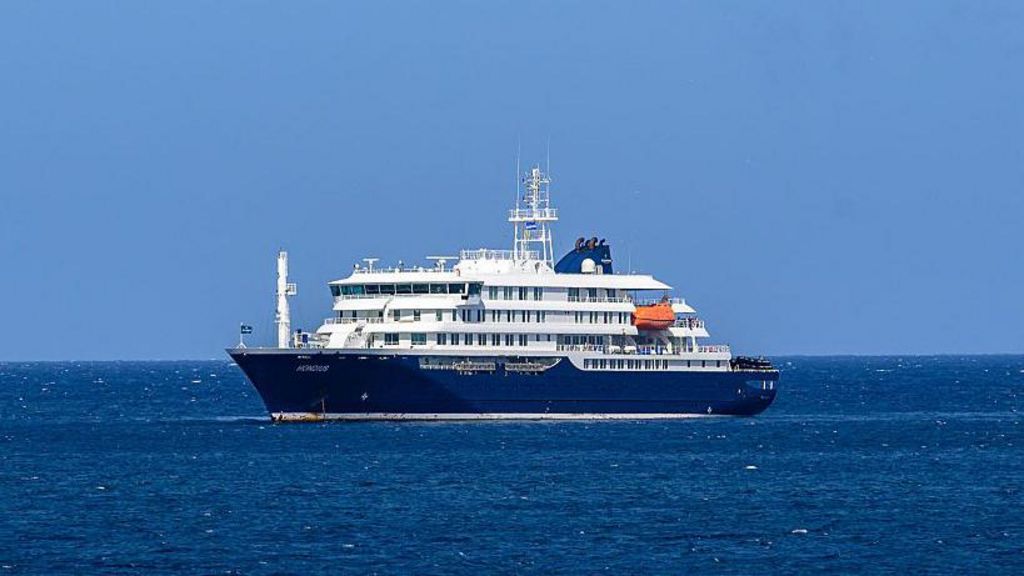
- Three fatalities reported onboard the MV Hondius amid a suspected hantavirus outbreak.
- One confirmed and five suspected cases of hantavirus are currently being monitored.
- Authorities face challenges in medical evacuation due to local regulations in Cape Verde.
Setting the Context of a Cruise Tragedy
The cruise industry has long been a symbol of luxury and adventure, offering unforgettable experiences across the oceans. However, a recent tragic incident aboard the MV Hondius highlights the potential dangers that lurk even amidst the enjoyment of sea voyages. Three passengers have died in a suspected hantavirus outbreak, raising alarms not only for those on board but also for public health authorities globally.
Currently anchored off Praia, the capital of Cape Verde, the MV Hondius was transporting approximately 150 international tourists when the outbreak was identified. The World Health Organization (WHO) confirmed one case along with five more suspected cases of this potentially deadly virus, emphasizing the urgency of the situation as it continues to evolve.
Understanding Hantavirus and its Implications
Hantavirus is primarily transmitted from rodent excretions, and severe respiratory illness can ensue once it infects humans. The recent outbreak has led to hospitalizations, including a 69-year-old British national in intensive care in Johannesburg. Eyewitness accounts reveal that the outbreak unfolded rapidly, with two passengers – a 70-year-old man and his 69-year-old partner – falling critically ill during the cruise, ultimately leading to their deaths.
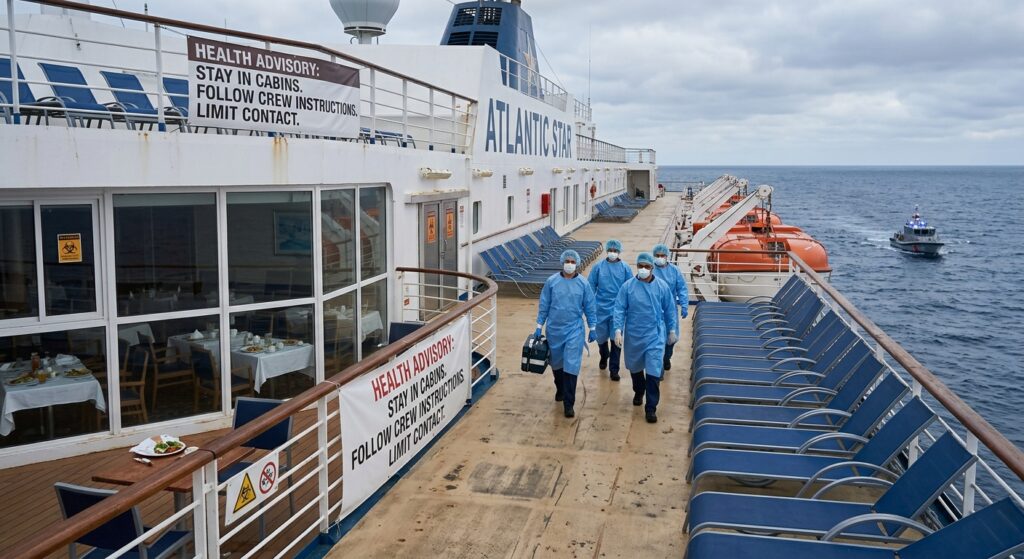
The cruise operator, Oceanwide Expeditions, acknowledged a “serious medical situation” and confirmed that two crew members are also in need of urgent medical attention. However, local authorities in Cape Verde have not permitted evacuation procedures, complicating efforts to provide necessary care. This situation raises concerns about the capacity of medical interventions in emergency settings aboard cruise ships.
Public Health Consequences and Future Considerations
As health experts learn more about hantavirus, the key question is whether more individuals onboard the MV Hondius may show symptoms in the days and weeks to come. The incubation period for the virus can range anywhere from one to eight weeks, which heightens the potential for an increased number of cases.
The UK Foreign Office is closely monitoring developments and stands ready to assist British nationals affected by the outbreak. The incident underscores the necessity for improved protocols in managing health crises on cruise ships. As public health systems adapt, rigorous screenings and contingency plans will be essential to ensure passenger safety in future voyages.
In conclusion, the tragic outbreak of hantavirus aboard the MV Hondius serves as a stark reminder of the vulnerabilities present in travel and tourism. With lives lost and uncertain aftermath, how can the industry enhance health safety measures to prevent such occurrences? What responsibilities do cruise operators have in ensuring the wellbeing of their passengers? How should travelers prepare for potential health risks on future voyages?
Editorial content by Peyton Hawthorne