Supreme Leader Khamenei Reportedly Killed Amid U.S.-Israel Strikes on Iran
Highlights:
– President Trump claims Iran’s Supreme Leader Khamenei is dead following a coordinated U.S.-Israeli attack.
– Iran has retaliated by launching missiles towards Israel and several Gulf nations hosting U.S. military bases.
– The crisis raises questions about regional security and the potential for further military escalation.
The Escalating Tensions Between the U.S. and Iran
The geopolitical landscape in the Middle East has reached a boiling point following the reported death of Iran’s Supreme Leader Ali Khamenei. President Donald Trump announced that Khamenei was killed in a large-scale military operation conducted by U.S. and Israeli forces. Khamenei, who has been in power since 1989, has significantly influenced Iran’s anti-Western policies, making his potential demise a pivotal moment in U.S.-Iran relations.
As news of Khamenei’s reported death and the attack spread, both nations prepared for further military actions, with Iran launching missiles and drones targeting U.S. bases and Israeli territory. The significance of this conflict extends beyond national borders, as the events could heighten tensions across a volatile region where military alliances and enmities shape daily life and international diplomacy.
The Immediate Aftermath of the Attacks
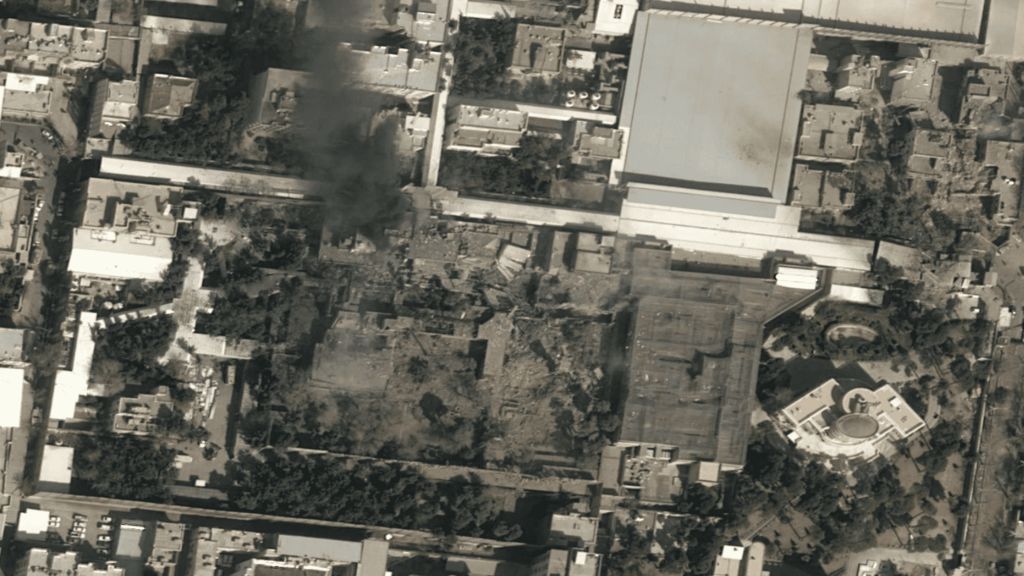
Witness accounts from Iranian media described chaos gripping the streets of Tehran as explosions rocked multiple cities, including Karaj, Isfahan, and Qom. Eyewitness accounts reported scenes of panic, with citizens fleeing the blast sites. Satellite images depicted a severely damaged compound near Khamenei’s headquarters, leading to a mix of confusion and concern regarding his actual status.
Simultaneously, U.S. and Israeli officials confirmed a pre-emptive strike aimed at dismantling Iran’s military capabilities. Israeli Prime Minister Benjamin Netanyahu stated, “We destroyed the compound of the tyrant Khamenei in the heart of Tehran,” emphasizing the objective to neutralize threats posed by the Iranian regime. The strikes reportedly targeted critical installations, including missile launch sites and command centers, with Israeli Defense Forces claiming to have decimated significant parts of Iran’s military system.
Global Reactions and Regional Implications
Iran’s response was swift and fierce, with high-ranking officials condemning the strikes as “unprovoked and illegal.” Iran’s military vowed to retaliate effectively. In a dramatic turn of events, the Islamic Revolutionary Guard Corps claimed to target several U.S. military facilities and cities in Israel, escalating an already precarious conflict.
The violence and military actions have led to international concerns, prompting airlines to cancel numerous flights to the region due to safety fears. In one breath, the ongoing conflict could open diplomatic opportunities; in another, it carries the risk of further escalation into a broader military confrontation. Regional allies and powers continue to monitor the situation, as the potential outcomes could reshape the geopolitical fabric of the Middle East for years to come.
In summary, the situation surrounding Khamenei’s reported death and the intense military strikes by U.S. and Israeli forces marks a crucial turning point in Middle Eastern politics. As tensions rise and retaliatory measures unfold, one must ponder: What will this mean for the stability of the region? How will this affect U.S. relations with other countries involved? And can diplomatic efforts emerge from a situation so fraught with hostility?
Editorial content by Sawyer Brooks