Highlights:
– The U.S. military launched “Operation Absolute Resolve,” resulting in the capture of Venezuelan President Nicolás Maduro after months of surveillance.
– The operation was remarkable for its scale and precision, invoking significant international backlash and raising questions about U.S. military involvement in Latin America.
– Many U.S. lawmakers expressed concern over the decision to carry out the mission without congressional approval, emphasizing the need for clear post-operation strategies.
The Context of U.S. Military Action in Venezuela
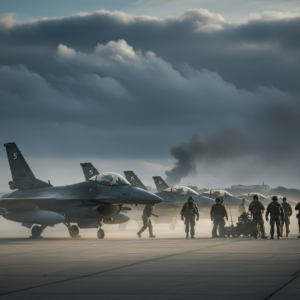
In a dramatic turn of events that has shaken the international community, the United States executed a military operation against Venezuelan President Nicolás Maduro, marking the first significant American military intervention in the region since the Cold War. Codenamed “Operation Absolute Resolve,” this operation was the culmination of months of intelligence-gathering and careful military planning, involving an impressive display of force with over 150 aircraft deployed. The codename itself evokes a level of commitment that reflects the U.S. government’s serious stance towards Maduro’s regime, which is often criticized for its authoritarian practices and human rights violations. This move highlights the complexities of international diplomacy and the ongoing struggle in Latin America over power dynamics.
The significance of this operation lies not only in the immediate ramifications for Venezuela but also in the broader implications for U.S. foreign policy in Latin America. By choosing to bypass congressional authorization in favor of a surprise military attack, the Trump administration sparked a significant debate within the United States on the legality and morality of such actions. Critics argue that the unilateral nature of this military intervention raises serious questions about accountability and the repercussions for international norms regarding sovereignty.
Execution and Reaction to the Operation
As the operation began in the early hours of a Friday night, Trump approved the mission shortly before midnight in Caracas. The strike commenced with aerial bombardments intended to disable Venezuelan air defenses and weaken Maduro’s capabilities. The U.S. forces, composed of elite troops including the famed Delta Force, entered the operations zone shortly after the airstrikes, encountering resistance immediately. This level of military coordination and execution stunned observers worldwide, with Brazil’s President Lula da Silva labeling the event as an “extremely dangerous precedent” for international relations.
Witness accounts from Caracas reported vivid scenes of chaos with loud explosions echoing through the streets and plumes of smoke rising in the night sky. While Trump’s administration celebrated a successful capture, the diplomacy fallout began almost instantly. Many world leaders condemned the operation, questioning the ethical implications of such actions and the message it sends regarding U.S. interventions abroad. At home, the decision not to inform Congress ahead of time drew sharp rebuke from lawmakers, emphasizing that any military action should be subjected to legislative scrutiny.
Aftermath and Broader Implications
The successful capture of Maduro and his wife marked a significant milestone for U.S. law enforcement, as they face criminal charges in the United States. Trump publicly proclaimed the operation a win for American justice, vowing that Maduro would “face the full might of American justice” for his alleged crimes, including drug trafficking. However, this operation could lead to long-term consequences, including potential destabilization in Venezuela and possible retaliatory actions from allies of Maduro.
Additionally, the unilateral nature of this attack poses questions about the United States’ role in international conflicts. Critics within the Democratic Party, including influential figures like Senate Majority Leader Chuck Schumer, raised alarms over the dangers of conducting military actions without comprehensive plans for the aftermath. The Biden administration will face the challenge of navigating the fallout from this operation while ensuring that future foreign policy is grounded in diplomatic engagement rather than military intervention.
In summary, the unfolding events surrounding Operation Absolute Resolve illustrate the delicate balance of power in international relations and the complexities of U.S. foreign policy. As the world watches the implications of this military mission materialize, questions abound: What strategies should be in place for post-military action? How does this operation reshape U.S.-Latin American relations moving forward? And most critically, what lessons can be learned about the use of military force in sovereign nations?
Editorial content by Dakota Sullivan