Funeral Director Faces Justice for Preventing Burials and Theft
Highlights:
– Robert Bush, a funeral director, admitted to 30 counts of obstructing lawful burials and one count of theft from charitable donations.
– His actions included presenting families with the ashes of strangers and selling fraudulent funeral plans to numerous individuals.
– A significant investigation is underway following the discovery of human remains, including those of four babies lost in pregnancy.
Shocking Revelations in Funerary Practices
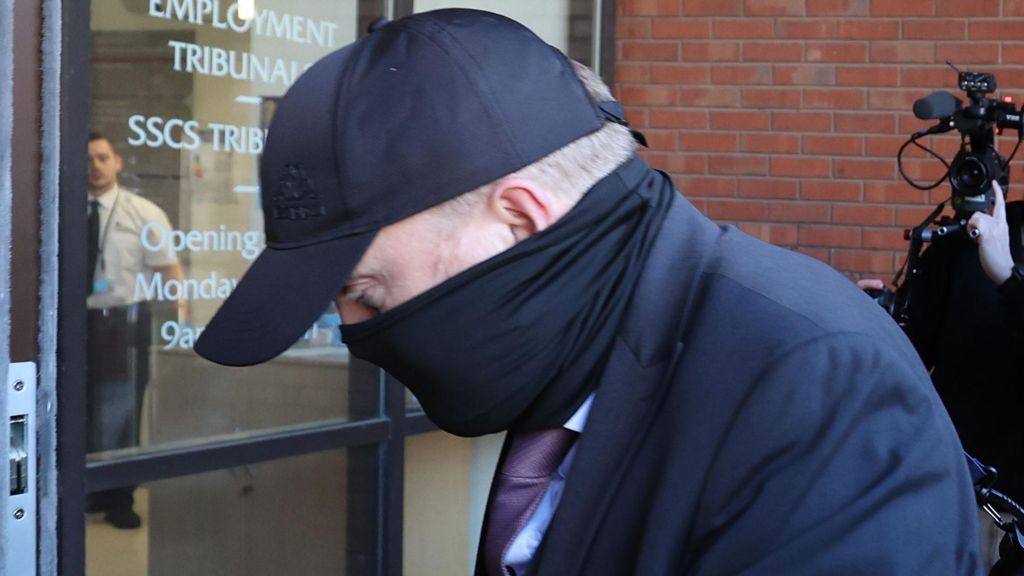
The realm of funeral services is typically associated with compassion and respect for the deceased, yet troubling revelations have surfaced regarding the actions of a funeral director in Hull. Robert Bush, aged 48, has pleaded guilty to multiple severe charges, including preventing the lawful and decent burial of 30 bodies and stealing donations meant for charities. These admissions raise grave concerns about the integrity of firms operating in this sensitive sector, highlighting how trust can be exploited amid vulnerability.
Bush’s apprehension followed a police investigation into Hull-based Legacy Independent Funeral Directors triggered by reports indicating a disturbed handling of the deceased. The scrutiny unveiled a disconcerting series of offenses dating back to 2012, including instances of presenting fake ashes to grieving families and defrauding individuals through bogus funeral plans. The ordained respect surrounding death and mourning is now tainted with profound betrayal, raising urgent discussions regarding regulatory actions in the funeral service industry.
Exposing Industry Vulnerabilities
The details surrounding Bush’s case are shocking, as the prosecutor revealed the extent and impact of his crimes on individuals and families. Prosecutor Chris Paxton KC indicated that there could be up to 240 victim impact statements, underscoring the vast ripple effect of Bush’s actions. The fraudulent nature of the funeral plans affected over 150 customers, highlighting severe ethical breaches in service delivery. Furthermore, the court unveiled evidence of human remains, including those of four unborn infants, leading to unsettling questions about the oversight of funeral service operations.
Bush, who showed little emotion during his court appearance, faced the prospect of a custodial sentence, as Judge Mr. Justice Hilliard noted that punishment was inevitable in light of the crimes committed. This case serves as a wake-up call for regulatory bodies and industry stakeholders to ensure higher standards and accountability, safeguarding the dignity owed to both the deceased and their grieving families.
Impacts and Future Implications
The largescale implications of this case extend beyond individual crimes; it spotlights systemic issues in the funeral industry that demand critical attention. It’s essential for lawmakers to evaluate existing regulations governing funerary practices, ensuring that such breaches of trust do not occur in the future. Strengthened oversight and regulatory frameworks need to be established to protect bereaved families from potential exploitation, instilling a renewed sense of trust in funeral services.
In addition, the case calls for community support services for the affected families, providing them not only with counseling but also financial restitution. As Bush awaits sentencing on July 27, the circumstances surrounding his actions paint a disturbing picture of ethical disregard, urging reflection on how society values the sanctity of life and death.
In conclusion, the unsettling case involving Robert Bush exposes the dark underbelly of the funeral industry and raises critical questions regarding ethical practices and regulatory oversight. How can we redefine standards in the funeral service sector to ensure accountability? What measures should be in place to restore trust among grieving families? And how can communities support those affected by similar betrayals in the future?
Editorial content by Dakota Sullivan