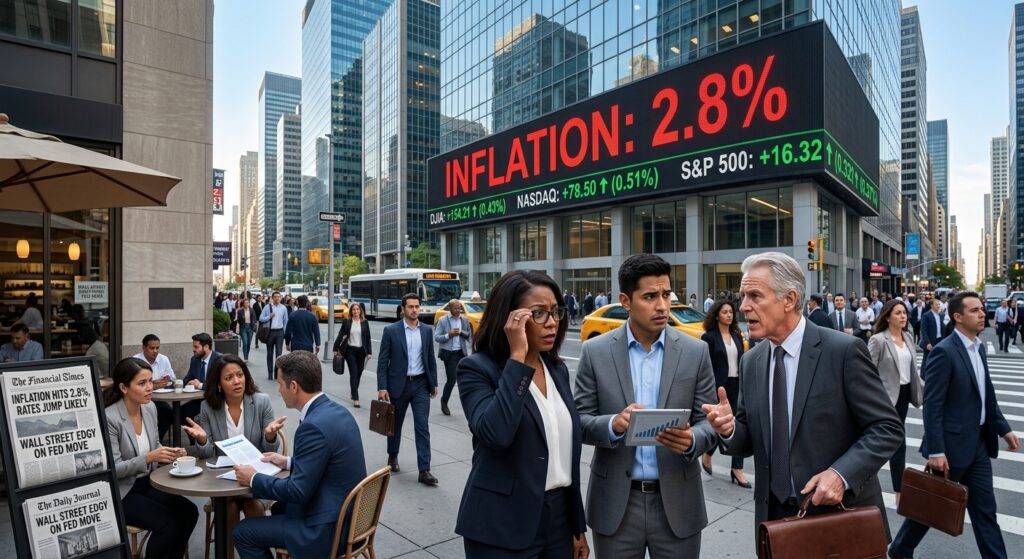
UK Inflation Declines to 2.8% but Signals Future Increases Amidst Global Tensions

- UK inflation has dropped to 2.8%, driven by lower energy costs.
- Analysts predict inflation will rise again, potentially reaching 4% by year-end due to ongoing global conflicts.
- The Bank of England faces challenges in managing interest rates as external pressures influence local inflation.
Understanding the Recent Decline in UK Inflation
The latest data on the UK’s inflation rate shows a notable drop to 2.8% in the year leading up to April, down from 3.3% in March. This unexpected decline primarily stems from a reduction in gas and electricity bills, attributed to governmental assistance and lower wholesale energy costs prior to recent geopolitical developments. The figures, released by the Office for National Statistics (ONS), illustrate that while the pace of price increases has slowed, it does not indicate a wider trend of falling prices across all sectors.
However, the easing of inflation may be short-lived as analysts express concerns about an impending rise in prices. The ongoing conflict in the Middle East, particularly the war in Iran, is anticipated to place upward pressure on global fuel prices. Experts caution that inflation might surge again, with projections estimating it could reach approximately 4% by the end of this year, highlighting the vulnerability of economic stability amid external crises.
The Complexities Behind Rising Prices
The recent decrease in UK inflation belies a broader complexity within the economy. Notably, fuel prices have seen significant increases, with petrol averaging £1.568 per litre and diesel prices climbing over 30p in April alone. Analysts like Yael Selfin from KPMG caution that while the inflation rate has dipped, this period of respite might be an anomaly rather than a stable trend. The persistence of high raw material costs, particularly stemming from the heightened oil prices related to international tensions, implies that businesses and consumers alike should prepare for further economic challenges.
The implications of these rising costs are tangible across various sectors—particularly in food production. Ian Cheetham of Set Produce emphasizes that the rising costs of fuel and energy are expected to translate into higher food prices, which may spike as much as 10% by year’s end according to the Food and Drink Federation. This predicted rise reflects the interconnectedness of global economics, underscoring how conflicts can reverberate through local markets and impact daily expenses for consumers.
Future Considerations and Economic Impacts
The Bank of England’s mandate to maintain inflation at around 2% presents a unique challenge given the current economic climate. Traditionally, when inflation exceeds this target, one would expect the central bank to increase interest rates to cool economic activity. However, much of the current inflation is driven by external factors, such as international supply disruptions resulting from the war in Iran, raising questions about the efficacy of potential rate hikes in addressing inflation concerns.
As policymakers, including Chancellor Rachel Reeves, prepare to unveil additional cost-of-living support for constituents, the urgency grows to tactically respond to inflationary pressures without stifling economic growth. Market experts are watching closely; for now, the consensus is that the Bank will likely hold off on immediate interest rate increases until they observe clearer trends in domestic inflationary pressures. The interplay between external events and local economic health will continue to shape the financial landscape in the months to come.
In summary, the UK has experienced a surprising dip in inflation, driven largely by lower energy costs, yet looming global issues are expected to counteract this progress. As analysts predict rising inflation and potential economic strain, how will both policymakers and consumers navigate the challenges ahead? What strategies can be employed to cushion the impact of these predicted price increases on vulnerable households? These questions underscore the importance of vigilant economic stewardship in uncertain times.
Editorial content by Peyton Hawthorne