Highlights:
– A catastrophic air strike on a drug treatment center in Kabul has resulted in numerous casualties, with reports indicating dozens feared dead.
– The Taliban government holds Pakistan responsible for the attack, while Pakistan claims to only target military installations.
– With rising tensions between the two countries, humanitarian concerns are growing amidst ongoing conflict.
Tragedy Strikes a Vital Health Facility
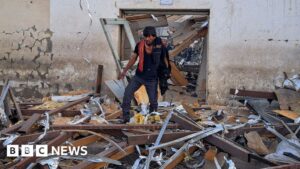
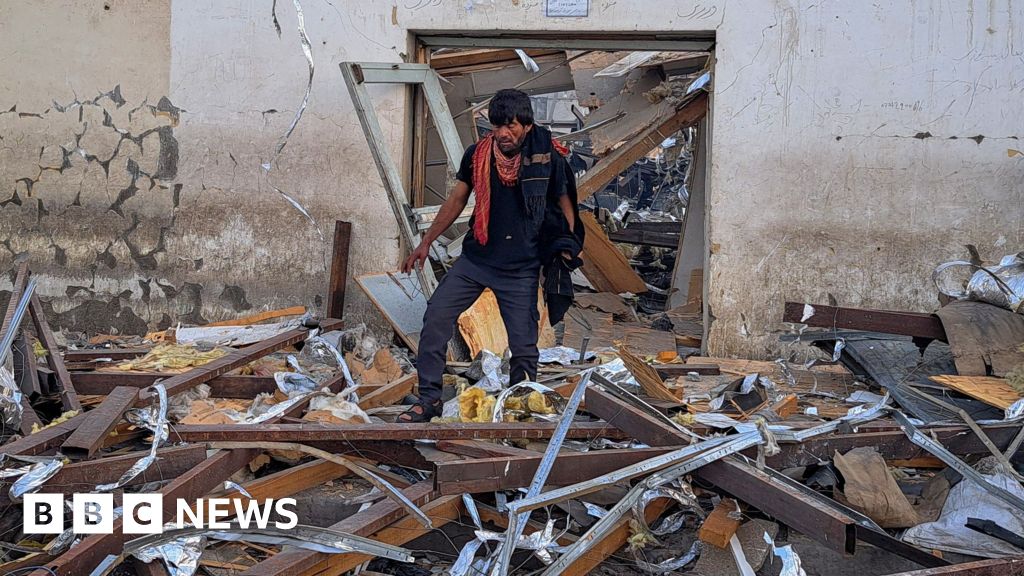
In a devastating turn of events, Kabul’s drug treatment center has become the scene of tragedy following an air strike that left many dead and injured. The strike occurred on Monday evening, raising alarms about the safety of health facilities in conflict zones, particularly when thousands of individuals depend on them for essential treatment. As violence escalates between Afghanistan and Pakistan, this incident underscores the vulnerability of non-combatants, especially those grappling with addiction at the hospital.
Officials from the Taliban government have publicly condemned the attack, blaming it on Pakistan and describing the dire situation that has emerged since. Eyewitness accounts and reports from the ground indicate that the chaos following the attack has resulted in a harrowing scene, with bodies being transported away on stretchers and families anxiously searching for information about their loved ones. The implications of such strikes not only raise immediate questions about accountability but also highlight the broader ramifications for public safety in Afghanistan.
The Conflict’s Ripple Effects
The core of the tension lies in the fractious relationship between Afghanistan and Pakistan, with accusations from both sides fueling instability in the region. Pakistan’s information ministry has disputed claims of targeting the treatment center, stating that their strikes were aimed solely at military installations identified as terrorist support structures. They emphasize a commitment to combat terrorism but face severe backlash over civilian casualties that compromise this narrative.
As the number of casualties mounts, there are grave concerns regarding humanitarian efforts in environments plagued by such violence. The Afghan health ministry’s spokesman has reaffirmed the lack of military installations in close proximity to the hospital, indicating that the tragic event has escalated fears of potential miscalculations in military strategies. Furthermore, reports by the United Nations Assistance Mission in Afghanistan (UNAMA) detail that over 75 people have lost their lives due to ongoing conflicts since late February, showcasing the urgent need for dialogue and conflict resolution betweenthese neighboring nations.
Prospects for Peace Amidst Chaos
This devastating event brings to light the urgent need for mediation and diplomatic dialogue to resolve longstanding issues between Afghanistan and Pakistan. The continuation of attacks threatens not only military personnel but also innocent civilians who access critical health services. With this recent escalation, addressing the root causes of conflict and fostering communication is more crucial than ever to prevent further humanitarian disasters.
As regional tensions rise, the focus must shift to ensuring that humanitarian efforts can function effectively even amidst conflicts. Solutions could involve redefining military targeting protocols to protect civilian spaces, greater international oversight, and establishing a collaborative framework for peace talks. As both nations navigate this tumultuous landscape, the significance of shared responsibility and cooperation cannot be overstated.
In conclusion, the air strike at the Kabul drug treatment center has ignited calls for urgent reevaluation of conflict strategies and humanitarian protections. As the community mourns the lives lost, what steps can be taken to safeguard health facilities in conflict zones? How can Afghanistan and Pakistan find common ground to prevent further tragedies in the future? What role can international organizations play in fostering dialogue and ensuring accountability?
Editorial content by Dakota Sullivan