At least 30 deaths in small boat crossing avoidable, inquiry finds
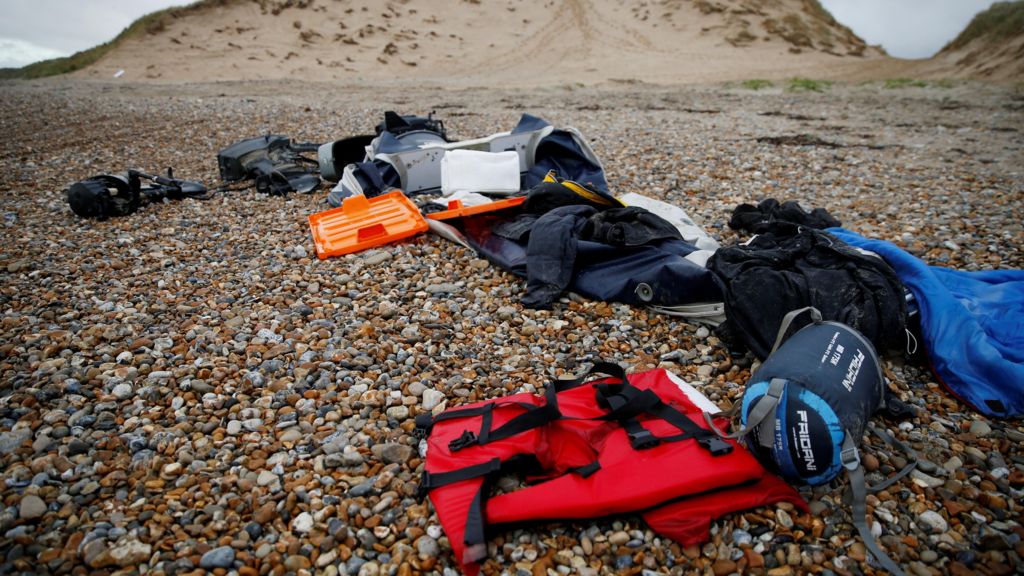
- Tragic Outcomes: A recent inquiry revealed that the deaths of at least 30 migrants attempting to cross the English Channel in 2021 could have been largely avoided.
- Systemic Failures: The investigation points to significant faults within government response protocols, including inadequate resources and flawed communication systems.
- Calls for Change: Survivors and families of the victims seek accountability and are urging for improvements in rescue operations to prevent similar tragedies in the future.
Introduction: A Preventable Tragedy
The English Channel, often viewed through the lens of perilous journeys undertaken by migrants, became the site of a harrowing tragedy in November 2021. An inquiry has recently concluded that the drowning of at least 30 individuals while attempting to cross this treacherous waterway could have been prevented with better oversight and response systems in place. This incident not only marks the deadliest small boat tragedy in the channel’s history but also underscores the urgent need for a comprehensive review of policies surrounding migrant safety and search-and-rescue operations in the region.
The significance of this inquiry cannot be overstated; it reveals the stark realities and perils faced by individuals seeking asylum in the UK, often after harrowing journeys across multiple countries. As discussions continue about migration policy and humanitarian assistance, the findings of this inquiry raise fundamental questions about responsibility, accountability, and the role of government agencies in ensuring the safety of vulnerable populations.
The Heart of the Issue: Missed Opportunities and Coordination Failures
At the core of the inquiry’s findings are severe lapses in communication and operational preparedness by HM Coastguard and French authorities. The report highlights how a lack of resources and chronic staffing shortages left Coastguard personnel unable to act promptly during the crisis. Additionally, crucial intelligence from a surveillance aircraft was never utilized due to adverse weather conditions, leaving them blind to the unfolding crisis. There also failed communication channels as distress calls from the ill-fated vessel went unanswered, leading to an underestimation of the emergency at hand.
Despite the challenges, the inquiry identified three critical errors that exacerbated the situation. These included overloading of vessels by people smugglers, the protracted response times of the French Naval vessel Flamant, and glaring deficiencies in Coastguard operations. Each factor compounded the chances of survival and raised alarms about the adequacy of current systems designed to protect those navigating these risky waters.
Reflection: Implications and Calls for Reform
The implications of the inquiry’s findings are profound, highlighting not only a dire need for improved rescue operations but also the importance of changing perceptions around migrant distress signals. Survivors, along with families of the deceased, have expressed deep frustration over the systemic failures that led to this tragedy and are now advocating for significant reforms. Effective solutions require not just revising protocols but also fostering a compassionate understanding of the realities faced by individuals risking everything for a chance at a better life.
There is a pressing need for government entities to enhance their capacity for timely communication and action in emergencies. Implementing robust contingency plans, improving inter-agency coordination, and ensuring that rescue services operate without prejudice could substantially mitigate future threats. The call for systemic change resonates as a reminder that behind every statistic is a human life—a fact that must drive future policies aimed at safeguarding those in peril on the high seas.
In conclusion, the inquiry into the tragedy of November 2021 serves as both a sober reminder of the vulnerabilities faced by migrants and a clarion call for change. It compels us to confront tough questions: How can we enhance the safety of all individuals attempting perilous journeys? What systemic changes are necessary to ensure effective rescue responses in times of crisis? And ultimately, what responsibility do we hold as a society toward those seeking refuge?
Editorial content by Dakota Sullivan