People We Meet on Vacation’s Emily Bader Responds to Tom Blyth’s “Next Meg Ryan” Remark
Highlights:
- Emily Bader expresses excitement about the film adaptation of “People We Meet on Vacation.”
- Author Emily Henry emphasizes key plot points that were crucial to her vision.
- Henry advocates for specific moments from the book to enhance emotional depth in the film.
Setting the Scene for a Romantic Adventure
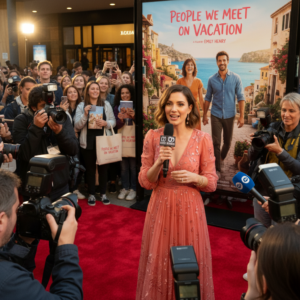
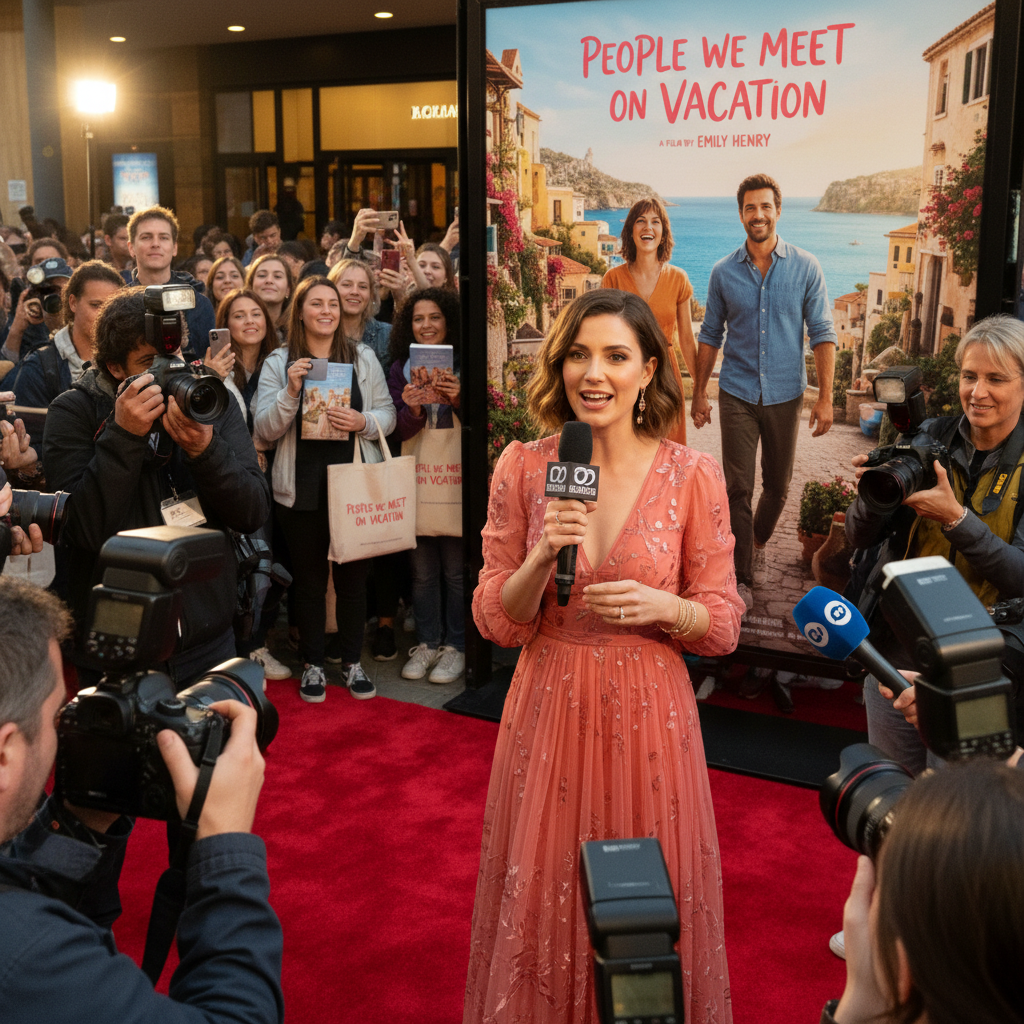
The film adaptation of Emily Henry’s beloved novel, “People We Meet on Vacation,” has stirred the hearts of fans, especially with its leading actors, Emily Bader and Tom Blyth. Their on-screen chemistry and the storyline’s exploration of friendship and romance are tailor-made for an audience craving feel-good entertainment. Now streaming on Netflix, this romantic comedy promises viewers a journey through laughter, love, and emotional discovery, embodying the spirit of the original work.
This adaptation is significant not only for its faithful representation of the novel but also because it taps into the nostalgia of classic romantic comedies. With comparisons being drawn between Bader and iconic actress Meg Ryan, the film aims to rekindle the charm of the genre that has captivated audiences for decades. As audiences settle in to watch, it’s clear that Henry’s vision has been realized, thanks to a dedicated production team and a talented cast.
Bringing the Book to Life: Key Elements Retained
During a recent exclusive interview, Emily Henry expressed her satisfaction with the film adaptation, stating that it closely mirrors her initial vision for the story. She acknowledged that while there were some changes, the essence of what made the book special remained intact. “I’m so thrilled where it wound up,” she reflected, indicating that even minor alterations could not dampen her enthusiasm for the final result.
A notable element that Henry fought hard to include was a pivotal moment involving a pregnancy scare, which she deemed vital to the characters’ emotional arcs. She explained this detail’s importance, contrasting it with a subplot involving a trip to Croatia that did not make the cut. “In the book, they talk about what happened in Croatia a lot, and you get to Croatia and you’re like, ‘What happened? Can’t we work this out?’” said Henry, highlighting her focus on maintaining the emotional depth and relatability of the characters.
Reflecting on Impact and Future of Romantic Comedies
The implications of this adaptation extend beyond its immediate entertainment value—it represents a larger trend of reawakening interest in romantic comedies. With Bader receiving high praise and comparisons to Meg Ryan, her performance could herald a new era in the genre, potentially paving the way for a new wave of romantic stories that resonate with a modern audience. This film serves as a reminder of both the charm and complexity inherent in love tales, illustrating the challenges characters face while navigating their feelings.
The outcome of “People We Meet on Vacation” indicates a willingness among filmmakers and viewers alike to embrace and elevate romantic narratives. As the film gets received by fans, discussions about future adaptations and the evolution of romantic comedies continue to unfold. Will we see more projects like this that focus on deeper emotional connections, or will the genre diverge into new styles of storytelling? Only time—and an engaged audience—will tell.
In conclusion, “People We Meet on Vacation” not only succeeds as a heartfelt romantic comedy but also revives the joys associated with love stories on screen. With key adaptations left intact and a solid performance by Bader, viewers are in for an emotional rollercoaster. As you reflect on this cinematic journey, consider the following: How do romantic comedies shape our understanding of love? What elements make a romance story timeless? And are we ready for a resurgence of classic romance tales in modern cinema?
Editorial content by Peyton Hawthorne